Q3 2020 Legislative Updates
Here is a summary of legislative and regulatory developments and challenges for the second quarter of 2020 and their practical implications:



Here is a summary of legislative and regulatory developments and challenges for the second quarter of 2020 and their practical implications:
A recent publication explores the essential role of physical therapists in helping patients develop self-management strategies to combat musculoskeletal pain.
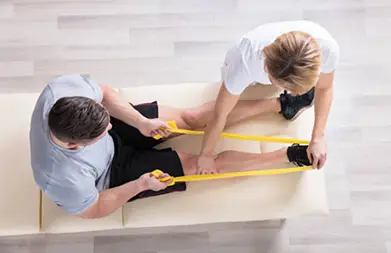
Research shows that early PT can improve outcomes but how this plays out in workers’ comp cases has not been well studied. Until now.

As companies establish a “new normal” for their operations, will injured worker treatment also get back on track?
Here is a summary of legislative and regulatory developments and challenges for the second quarter of 2020 and their practical implications:
Here is a summary of legislative and regulatory developments and challenges for the first quarter of 2020 and their practical implications.
Nearly 20 years after its inception, the MedRisk Instrument for Measuring Patient Satisfaction continues to be employed in physical medicine research.
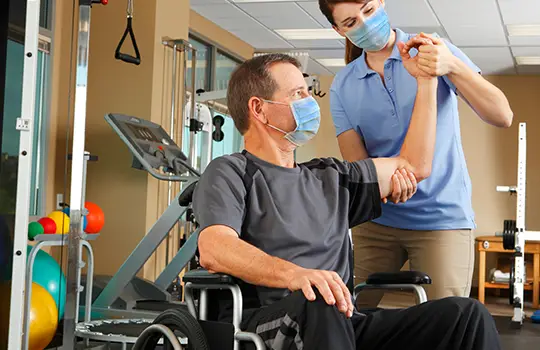
Chronic pain is not a new problem in the United States. It is one of the most common reasons for seeking medical care and has been linked to anxiety and depression, poor health and reduced quality of life and, as seen in the news, a dependence on opioid prescriptions.

How has MedRisk’s telerehab program increased access and engagement for injured workers? Director of Clinical Services Brian Peers, DPT, shares.
Research has shown that fear, anxiety and other psychosocial factors can be barriers to recovery in injured workers. How should PTs go about factoring these concerns into their treatment plans? MedRisk Advisory Board member Chris J. Main, PhD, weighs in.